Artificial intelligence (AI) has moved from the realm of science fiction to an everyday reality, profoundly changing the way we live, work, and interact with technology. By 2025, AI is no longer just a futuristic concept—it’s an integral part of daily life, quietly enhancing efficiency, convenience, and personalization across multiple domains. From smart homes and healthcare to transportation, entertainment, and the workplace, AI is reshaping our world in ways we could only imagine a few years ago.
This comprehensive guide explores how AI is transforming everyday life in 2025, highlighting key applications, benefits, and considerations for a future increasingly influenced by intelligent systems.
1. AI in Smart Homes: Making Daily Life Effortless
Smart homes powered by AI and IoT devices have become more intuitive and proactive.
- Voice Assistants: AI-powered assistants like Alexa, Google Assistant, and Siri have evolved beyond basic commands. They can predict routines, anticipate needs, and even hold natural, context-aware conversations.
- Predictive Automation: AI learns habits to automate tasks like adjusting thermostats, controlling lights, and managing appliances.
- Home Security: AI surveillance systems recognize familiar faces, detect unusual motion patterns, and provide proactive alerts to prevent potential threats.
By 2025, AI in smart homes not only simplifies chores but also improves safety and energy efficiency.
2. AI in Healthcare: Revolutionizing Medical Care
Healthcare is one of the fastest-growing areas for AI adoption.
- Personalized Healthcare: AI diagnostics analyze medical images with precision, predict health risks using wearable data, and assist in crafting personalized treatment plans.
- Virtual Health Assistants: AI monitors chronic conditions, offers lifestyle guidance, and supports telemedicine consultations for more accurate remote care.
AI in healthcare enhances accessibility, accuracy, and personalization, improving outcomes and quality of life.
3. AI in Transportation: Safer and Smarter Travel
Transportation is becoming increasingly AI-driven, making commuting and travel safer and more efficient.
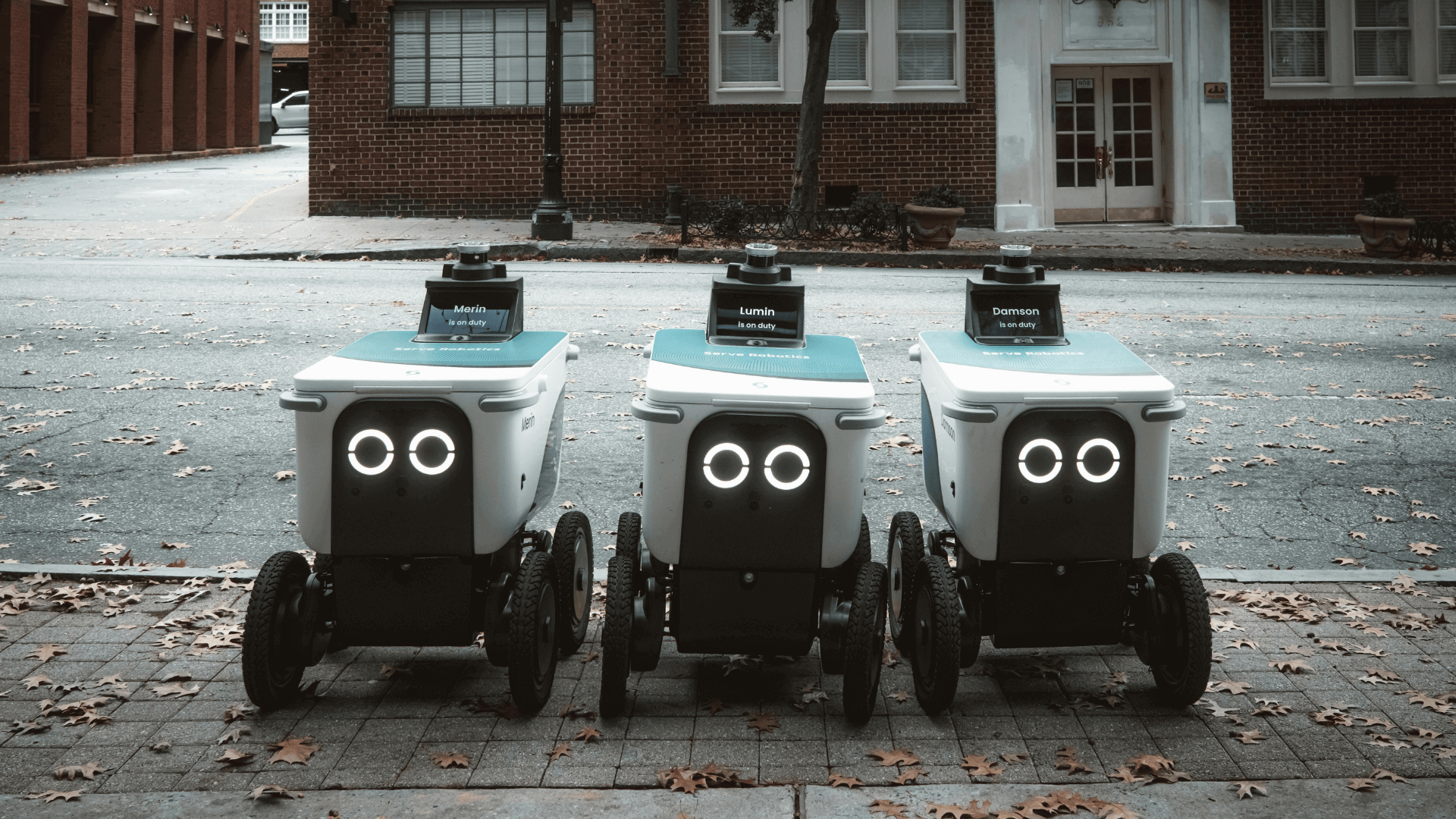
- Autonomous Vehicles: Self-driving cars leverage AI to navigate roads, avoid obstacles, and adapt to real-time traffic conditions, reducing human-error accidents.
- AI in Public Transit: AI optimizes routes and schedules for buses, trains, and subways while managing traffic flow to minimize congestion.
From personal cars to public transit, AI ensures safer, faster, and more efficient travel.
4. AI in Entertainment: Personalized Digital Experiences
AI is transforming how we consume and interact with entertainment.
- Content Recommendations: Streaming services like Netflix and Spotify use AI to deliver hyper-personalized recommendations, even factoring in mood, time of day, or weather.
- Gaming: AI creates adaptive gameplay, smarter NPCs, and dynamic storylines, providing unique experiences for each player.
AI enhances engagement and immersion, offering content tailored to individual preferences.
5. AI in the Workplace: Boosting Productivity and Creating Opportunities
AI tools are revolutionizing workplace productivity while also reshaping job roles.
- Automation: AI handles repetitive tasks such as scheduling, email sorting, and project management, freeing employees for high-value work.
- Data Analysis: AI accelerates research by analyzing large datasets, offering insights and trends faster than manual processes.
- Job Creation: AI is also creating new roles in programming, machine learning, data analysis, and ethical AI development.
The workplace of 2025 balances human creativity with AI efficiency, driving productivity and innovation.
6. AI Ethics and Challenges: Navigating Responsibility
While AI offers tremendous benefits, challenges such as privacy, security, and bias must be addressed.
- Privacy and Data Security: AI relies on massive datasets, raising concerns about protecting user data.
- Bias and Fairness: Ensuring AI systems are trained on unbiased data is critical, particularly in healthcare, law enforcement, and hiring processes.
Ethical AI development and responsible usage are essential to maximize benefits while minimizing risks.
Conclusion: Living in an AI-Driven World
By 2025, AI has become an integral part of daily life, from smart homes and healthcare innovations to transportation, entertainment, and workplace productivity. It improves efficiency, personalization, and safety, but also brings challenges that require careful consideration.
As AI continues to evolve, balancing innovation with responsibility is key. The AI-powered world is here, shaping how we live, work, and interact—and its impact will only grow in the years ahead.