Robotics has evolved far beyond the assembly lines of the 1960s. What was once the stuff of science fiction is now a critical part of modern industry, healthcare, agriculture, and daily life. As we enter 2025, robotics is experiencing a revolution driven by artificial intelligence (AI), machine learning, and advanced human-robot interaction. These innovations are making robots smarter, faster, and more human-like, enabling them to perform tasks previously thought impossible and to integrate seamlessly into society.
In this article, we explore the transformative impact of robotics across industries, daily life, and human interaction. We examine how smarter machines are reshaping productivity, healthcare, and personal convenience, while also addressing the ethical and societal questions that come with widespread robotic integration.
1. Smarter Robots Powered by AI and Machine Learning
AI and machine learning are at the heart of the robotics revolution. These technologies allow robots to learn from experience, adapt to changing environments, and make autonomous decisions.
- Self-Learning Capabilities: Robots can analyze their environment and optimize performance without constant human supervision. In manufacturing, for example, they can detect inefficiencies and adjust workflows automatically.
- Advanced Problem-Solving: AI enables robots to tackle complex challenges in real time, such as navigating disaster zones, predicting maintenance needs, or assisting autonomous vehicles.
- Personalization: Machine learning allows robots to tailor their actions to individual preferences, improving healthcare assistance, customer service, and personalized interactions.
Robots are no longer just programmed machines—they are learning entities capable of anticipating problems and acting proactively.
2. Faster and More Efficient Industrial Robots
Robotics in industry is increasingly focused on speed, precision, and efficiency.
- Enhanced Manufacturing Speed: Robotic systems can complete repetitive tasks faster than humans, boosting production and reducing errors. Automotive assembly lines are a prime example of this accelerated efficiency.
- Collaborative Robots (Cobots): Cobots work alongside human workers to perform repetitive or heavy tasks, allowing humans to focus on complex and creative aspects of production.
- 24/7 Operations: Unlike humans, robots don’t require breaks, enabling continuous operations and optimized productivity.
Automation with faster robots is transforming supply chains, logistics, and industrial workflows, paving the way for fully automated operations.
3. Human-Like Interaction and Collaboration
The next frontier in robotics is human-robot interaction. Robots are becoming more intuitive, socially aware, and capable of collaborating seamlessly with humans.
- Emotionally Intelligent Robots: Using affective computing, robots can recognize and respond to human emotions, offering comfort in healthcare or detecting stress in work environments.
- Natural Language Processing (NLP): Robots can now engage in natural conversations, making them effective in customer service, tech support, and education.
- Human-Robot Collaboration: Advanced robots can interpret body language and gestures, adjusting their actions to work safely and efficiently alongside humans.
As robots become more human-like, they are poised to assist in roles that require empathy, care, and complex interaction.
4. Robotics in Healthcare: Enhancing Patient Care
Healthcare is one of the fastest-growing fields for advanced robotics. In 2025, robots are improving patient outcomes, increasing accessibility, and providing both physical and emotional support.
- Surgical Robots: Highly precise robotic systems are enabling complex surgeries with minimal invasiveness, shorter recovery times, and improved results.
- Robotic Caregivers: Robots can assist the elderly and patients with mobility, medication reminders, and companionship, reducing caregiver burden.
- Telepresence Robots: Remote healthcare is facilitated through mobile robots that allow doctors to consult with patients in real time, regardless of location.
AI-driven robots also support diagnostics by quickly analyzing medical data, X-rays, and lab results, enhancing efficiency and accuracy.
5. Robotics in Daily Life: Personal Assistants and Beyond
Robots are increasingly becoming part of daily life, from homes to offices and urban environments.
- Personal Robots: Household robots can manage chores, provide real-time information, and offer personalized recommendations for meals, cleaning, shopping, and more.
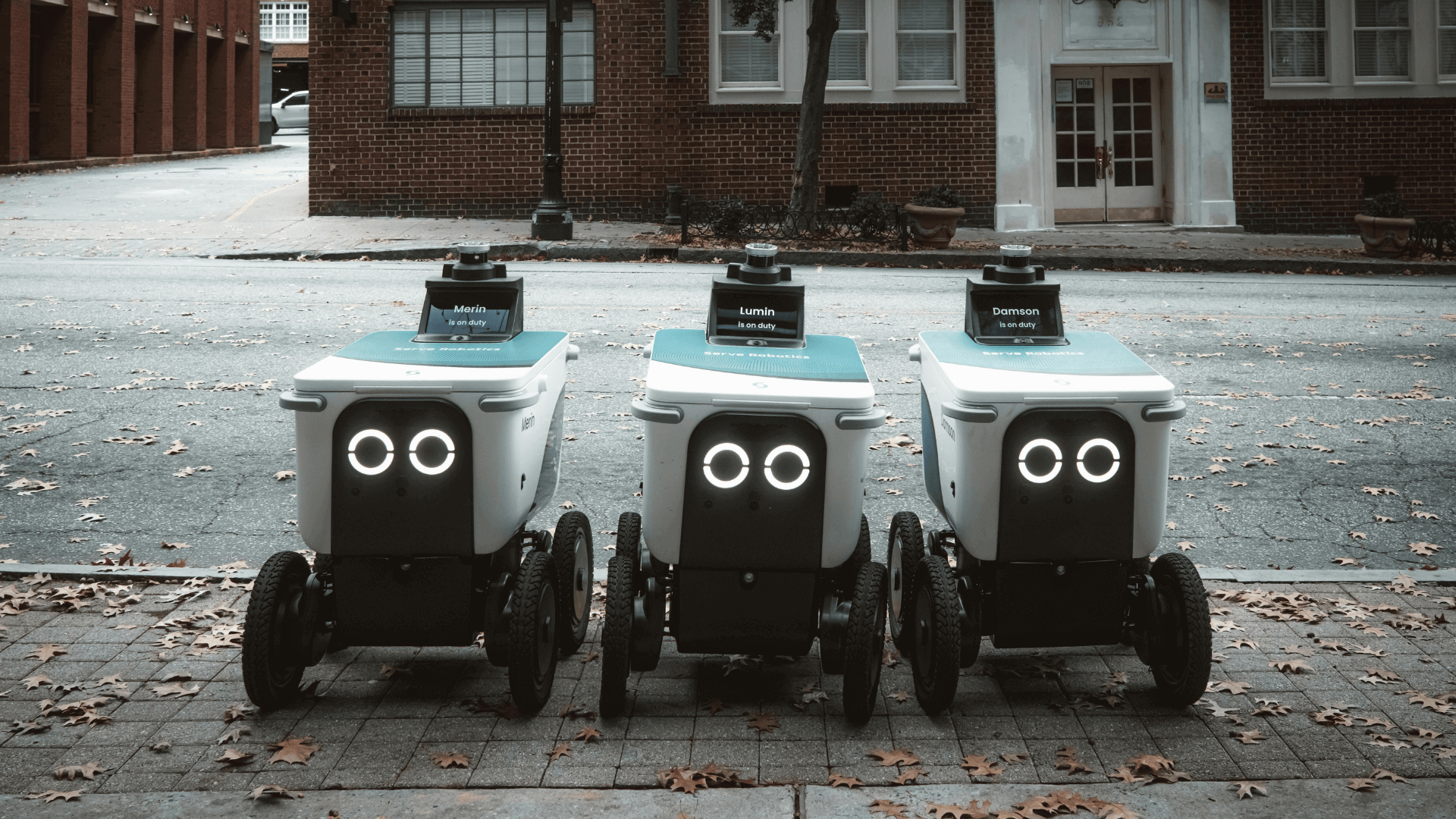
- Autonomous Vehicles: Self-driving cars and delivery robots are transforming transportation and logistics, providing safer and more efficient options.
- Smart Cities: Robots are integrated into urban systems, assisting with traffic management, emergency response, waste management, and overall city planning.
Connected with IoT devices, robots will help create fully automated, efficient, and responsive living spaces.
6. Ethical and Societal Considerations
With greater integration of robotics comes the need to address societal and ethical implications.
- Job Impacts: Robots may replace repetitive jobs but also create opportunities in AI development, robotics engineering, and tech-related careers.
- Robot Ethics: Ensuring robots are developed and used responsibly is essential, particularly as they become more human-like.
- Human-Robot Relationships: As robots become caregivers, educators, and companions, understanding the social dynamics and emotional implications is critical.
Regulation and policy will play an essential role in ensuring robotics enhances society while maintaining safety, privacy, and ethical standards.
Conclusion
The future of robotics in 2025 and beyond is both exciting and transformative. Robots are becoming smarter, faster, and more human-like, revolutionizing industries, improving healthcare, enhancing daily life, and increasing productivity. However, these advancements also require careful consideration of ethical, societal, and workforce implications.
As robotics technology continues to evolve, we can expect a world where humans and robots collaborate seamlessly—improving efficiency, safety, and quality of life. The rise of robotics is ushering in a new era of possibilities, and we are just beginning to explore the full potential of this transformative technology.