By 2025, artificial intelligence (AI) is no longer a futuristic concept—it’s a part of our everyday lives, shaping the way we live, work, and interact with the world. From smart assistants in our homes to personalized healthcare and autonomous transportation, AI is transforming industries, improving efficiency, and making life more convenient.
Let’s explore how AI is changing the way we live, learn, shop, and stay healthy in 2025.
1. Smart Homes: A Seamless, AI-Driven Experience
AI is taking smart homes to a whole new level. Voice assistants, smart appliances, and AI-powered security systems are making homes more intuitive, efficient, and secure.
- Voice Assistants: AI assistants like Alexa, Google Assistant, and Siri now understand context and anticipate your needs, offering suggestions based on your past interactions.
- Smart Appliances: From refrigerators to ovens, AI-enabled appliances optimize energy use, predict usage patterns, and even help with meal planning or shopping.
- Home Security: AI cameras and motion detectors analyze patterns in real-time, alerting you to potential threats. Some systems can recognize faces, distinguishing family members from strangers.
Bonus: By integrating all devices, AI creates a unified system that improves energy efficiency, security, and convenience.
2. AI in Healthcare: Personalized Care and Early Diagnosis
AI is revolutionizing healthcare, making it more accurate, personalized, and accessible.
- AI Diagnostics: Advanced AI analyzes medical images, lab results, and genetic data to detect diseases earlier and more accurately.
- Personalized Treatment: AI helps doctors create treatment plans tailored to your genetics, lifestyle, and health history.
- Health Monitoring: Wearables track vital signs, activity levels, and early warning signs, helping manage conditions proactively.
Bonus: AI-powered telemedicine lets patients consult doctors remotely, improving access for rural or underserved areas.
3. AI-Powered Transportation: Smarter Roads, Safer Travel
AI is making transportation safer, faster, and more efficient.
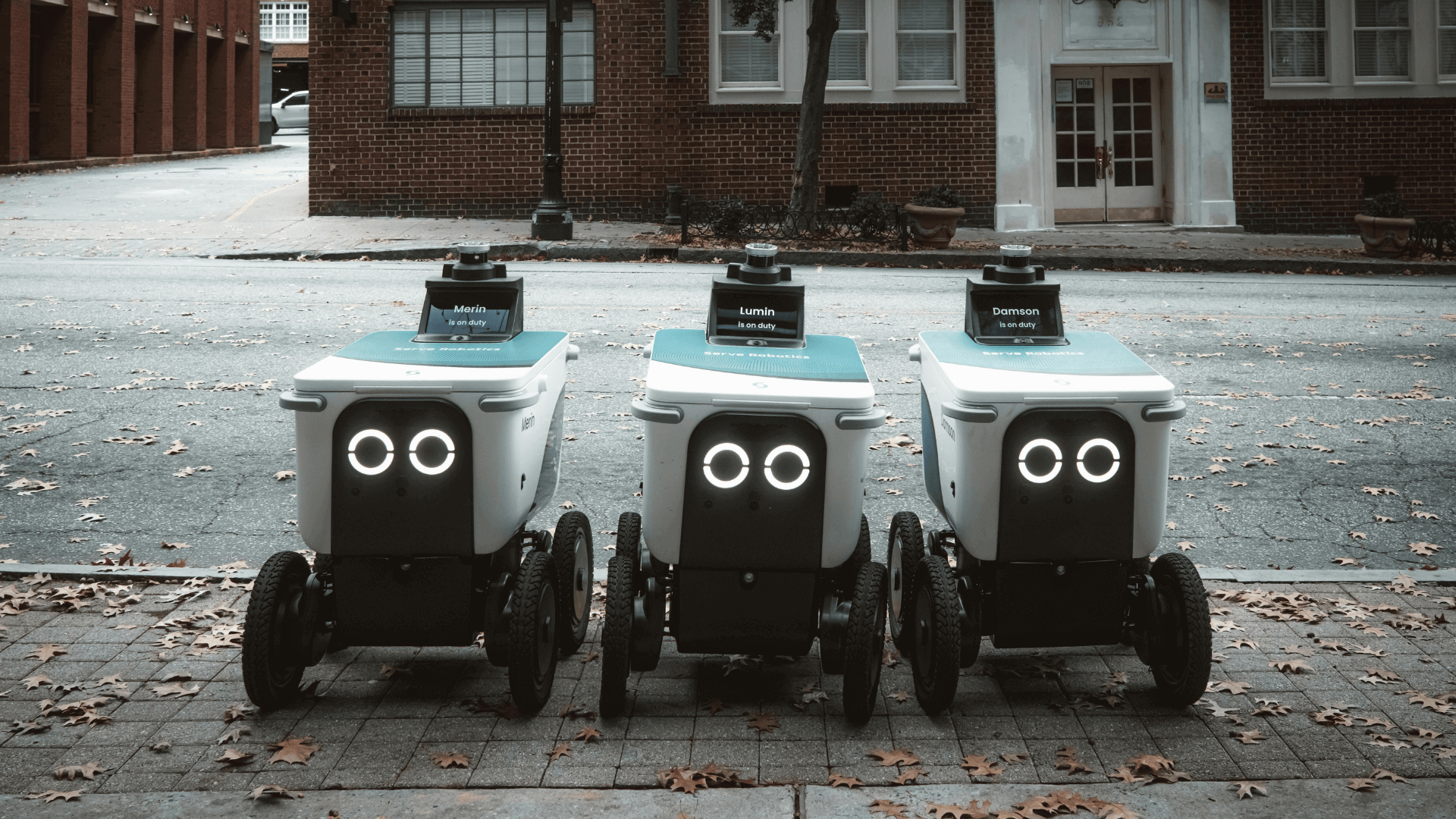
- Self-Driving Cars: Autonomous vehicles reduce accidents, optimize routes, and make commuting smoother. Some cities may even have fully autonomous taxi fleets.
- Traffic Management: AI-powered signals and predictive models manage congestion and improve traffic flow.
- Public Transport: Buses, trains, and subways adjust in real-time to passenger demand, improving efficiency.
Bonus: AI navigation systems provide real-time updates and route optimization, helping avoid delays and accidents.
4. AI in Education: Personalized Learning and Virtual Classrooms
Education is becoming more adaptive and inclusive thanks to AI.
- AI Tutors: Personalized learning systems adapt to students’ styles, providing targeted resources and feedback.
- Virtual Classrooms: AI-powered platforms simulate real-world environments, making online learning interactive and engaging.
- AI-Driven Assessment: Automated grading offers instant feedback, helping students focus on areas where they need improvement.
Bonus: AI-powered translation breaks language barriers, making educational content accessible worldwide.
5. AI in Retail: Smarter Shopping, Personalized Experiences
AI is transforming retail, creating seamless and customized shopping experiences.
- Personalized Recommendations: AI analyzes preferences, shopping history, and social activity to suggest products tailored to you.
- Virtual Shopping Assistants: Chatbots guide customers, answer questions, and assist with purchases.
- Smart Inventory: AI predicts demand, optimizes stock levels, and reduces waste.
Bonus: AR experiences let you try on clothes, makeup, or furniture virtually before buying.
6. AI in Entertainment: Personalized and Interactive Content
Entertainment is more immersive and tailored thanks to AI.
- Personalized Recommendations: Streaming platforms provide highly accurate suggestions based on your tastes, habits, and mood.
- AI-Generated Content: AI creates music, movies, games, and other media, offering new creative possibilities.
- Interactive Experiences: AI enhances VR and AR, allowing users to interact with content in unprecedented ways.
Bonus: AI-generated virtual characters and realistic simulations open up exciting storytelling opportunities.
7. AI in Finance: Smarter Investments and Fraud Protection
AI is transforming finance, making money management smarter and safer.
- AI Investment Platforms: Robo-advisors create personalized investment strategies based on your goals and risk profile.
- Fraud Detection: AI monitors transactions in real-time to identify suspicious activity.
- Personal Finance Management: AI tools help with budgeting, spending analysis, and saving strategies.
Bonus: AI-driven credit scoring provides fairer assessments, improving access to loans and financial services.
Conclusion
In 2025, AI is more than a technology—it’s a transformative force shaping nearly every aspect of daily life. From smart homes to personalized healthcare, autonomous vehicles, and tailored entertainment, AI is making life more convenient, efficient, and human-centered.
As AI continues to evolve, the future promises even smarter, more connected, and highly personalized experiences. By embracing these changes, we’re stepping into a world where technology works seamlessly for us, enhancing our lives in ways we never imagined.