Introduction
Artificial Intelligence is no longer a distant concept or a futuristic experiment. In 2025, AI stands at the center of global innovation, quietly reshaping how we live, work, learn, and create. From healthcare and education to business, robotics, and the creative arts, AI is influencing almost every industry in meaningful ways.
Rather than being just another technology trend, AI has become a powerful force that defines the relationship between humans and machines. This article explores the most important AI advancements in 2025, their real-world impact, and the ethical and economic questions shaping the future.
1. Next-Generation GPT Models and Multimodal AI
One of the biggest AI milestones in 2025 is the evolution of large language models into fully multimodal systems. These advanced AI models can understand and generate text, voice, images, and video together, allowing far more natural and human-like interactions.
Unlike earlier models, modern GPT systems can understand context across multiple formats while maintaining emotional tone and conversational flow. They are already being used in education, customer support, creative industries, and productivity tools.
Imagine explaining a math problem verbally while showing a diagram, and the AI instantly understands and provides a clear solution. This level of comprehension is what sets modern AI apart.
Real-world applications:
- Personalized virtual assistants that respond to voice and text together
- Healthcare chatbots that analyze symptoms alongside medical images
- Creative tools that support writing, music, design, and video production
2. AI in Healthcare: Detecting Diseases Earlier Than Ever
Healthcare is one of the most transformative areas for AI in 2025. Advanced machine learning models can now analyze medical scans, genetic data, and patient histories with remarkable accuracy.
Researchers have developed systems capable of identifying early signs of conditions like Alzheimer’s, Parkinson’s, and certain cancers long before symptoms appear. These tools support doctors by providing data-driven insights, not by replacing human judgment.
Studies show AI can detect subtle changes in MRI scans years earlier than traditional diagnostic methods. Early intervention improves survival rates and reduces long-term healthcare costs.
Key healthcare benefits:
- Predicting health risks using wearable and lifestyle data
- Assisting surgeons with real-time visual analysis
- Creating personalized treatment plans based on predictive models
AI’s goal in healthcare is simple: faster diagnosis, higher accuracy, and better access for everyone.
3. The Robotics Breakthrough and Smarter Machines
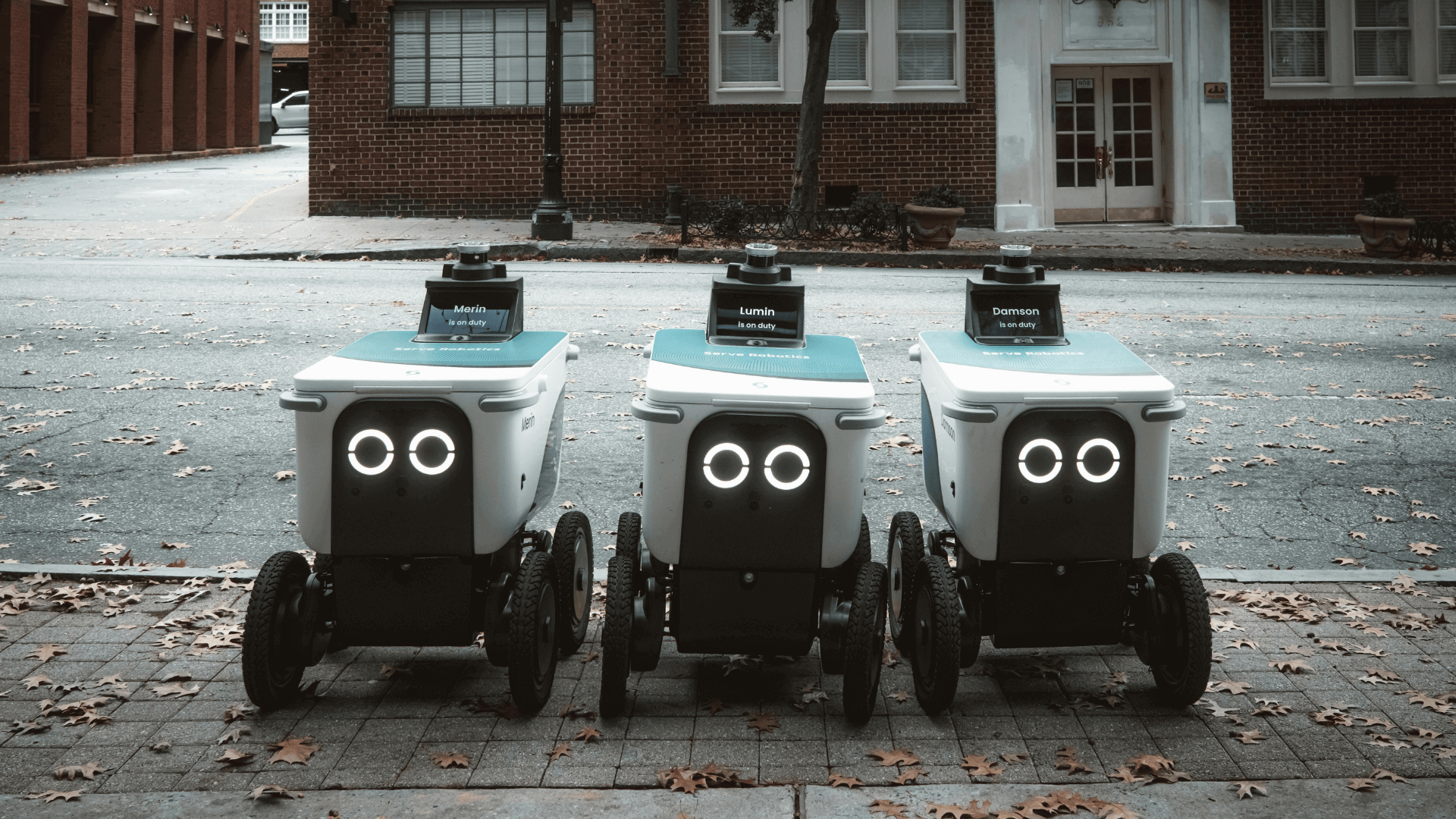
Robotics has reached a new level in 2025 thanks to AI-driven learning systems. Instead of being programmed step by step, robots can now learn tasks by observing patterns and adapting through reinforcement learning.
These intelligent robots can handle delicate tasks such as laboratory work, electronics assembly, and medical assistance with minimal human supervision.
One of the most powerful advancements is adaptability. Robots can transfer learned skills to new environments, making them far more useful across industries.
This shift moves robots from being simple tools to becoming collaborative partners in real-world settings.
4. AI in Education: Personalized Learning for Every Student
Education has quietly transformed through AI-powered learning platforms. In 2025, students no longer follow a rigid, one-size-fits-all system.
AI tutors analyze student performance, identify weaknesses, and adjust teaching methods in real time. This allows learners to progress at their own pace while receiving targeted support.
For example, students struggling with mathematics receive visual explanations and extra practice, while advanced learners are challenged with more complex material.
Benefits of AI in education:
- Personalized learning paths
- Real-time feedback and performance tracking
- Improved access to education in remote areas
Education is shifting from standardized instruction to individualized learning experiences.
5. AI in Business and Finance
AI has become a strategic necessity in business rather than a luxury. Companies use AI to analyze customer behavior, automate workflows, detect fraud, and make faster, data-driven decisions.
In finance, predictive analytics helps institutions assess risk, forecast trends, and automate trading strategies. Many fintech platforms now evaluate creditworthiness using behavioral data rather than traditional credit scores.
Business advantages:
- Advanced customer support chatbots
- Smarter supply chain predictions
- Real-time fraud detection systems
Organizations that ignore AI risk falling behind in efficiency, innovation, and customer experience.
6. AI in Creative Arts and Media
AI is now a creative partner rather than a novelty. From music composition and digital art to video production and game design, AI tools are accelerating creativity.
Platforms used by designers, filmmakers, and musicians help reduce production time while lowering costs. However, human creativity remains essential. AI enhances expression but does not replace emotion or intent.
Creative uses of AI:
- Idea generation for writers
- Smarter non-player characters in games
- Hybrid art combining human vision with machine precision
AI strengthens creativity rather than competing with it.
7. Ethics and Responsible AI Development
As AI becomes more powerful, ethical responsibility becomes critical. Governments, researchers, and companies are working together to ensure AI remains transparent, fair, and aligned with human values.
Concerns such as data privacy, misinformation, algorithmic bias, and deepfakes are now central to AI discussions.
Ethical priorities include:
- Protecting user data and privacy
- Ensuring accountability in AI decisions
- Reducing bias in automated systems
Responsible AI is no longer optional. It is essential for public trust and long-term progress.
8. AI and the Future of Jobs
AI is changing the workforce, not eliminating it. While automation replaces repetitive tasks, it also creates new opportunities in data science, cybersecurity, AI ethics, and human-AI interaction design.
Future-proof careers focus on creativity, emotional intelligence, and technical skills.
Growing career paths:
- AI training and data analysis
- Cybersecurity and digital safety
- AI ethics and compliance roles
Reskilling and education programs are becoming essential to prepare workers for this shift.
9. What Comes Next for AI Beyond 2025
Looking ahead, AI will integrate even more deeply into daily life. Smart cities will optimize traffic and energy usage. Healthcare systems will offer predictive and personalized care. Homes and devices will respond intelligently to user behavior.
However, progress must remain guided by ethics and human-centered design.
What to expect next:
- Wider adoption of self-driving vehicles
- AI-assisted policymaking
- Generative AI embedded in everyday tools
- Global cooperation on AI safety standards
Conclusion: A Shared Future Between Humans and AI
The AI revolution is accelerating faster than any previous technological shift. From healthcare and education to business and creativity, AI is shaping modern life.
The true power of AI lies not in replacing humans, but in collaboration. Humans provide creativity, empathy, and judgment. AI delivers speed, accuracy, and scale.
At Nexbyteo, we follow AI advancements closely to help you understand what matters, what’s next, and how technology continues to shape the world. The journey has only just begun.